






Why Is My Car A/C Blowing Warm Air in Vero Beach?
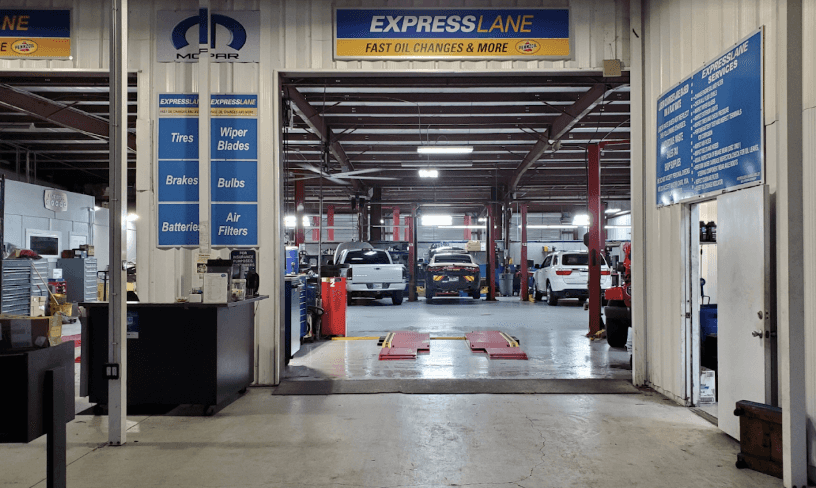
Florida’s intense coastal heat makes a malfunctioning climate control system highly noticeable, especially when the vents begin blowing warm air instead of a refreshing breeze. The automotive air conditioning system operates as a sealed, pressurized loop designed to extract heat from the cabin and release it into the outside air. When this cycle breaks down, the cause typically stems from a drop in refrigerant pressure, a mechanical component failure, or an electrical malfunction.
The high humidity in Vero Beach places a continuous demand on your vehicle’s cooling system, meaning even a minor leak or a clogged cabin filter can quickly escalate into a warm cabin. A systematic diagnosis begins with checking the cabin air filter for blockages, listening for the engagement of the compressor under the hood, and testing the dashboard controls. If you notice a sudden loss of cooling, stopping by our service center or giving our team a call at (772) 567-6633 is the fastest way to pinpoint the issue before it causes further wear on internal seals.
Identifying Compressor Failures and Refrigerant Leaks Under the Hood
A mechanical breakdown under the hood is often the root cause when the air conditioning system fails to lower cabin temperatures. At the center of this process is the A/C compressor, which pressurizes the refrigerant to circulate it through the condenser and evaporator. If the compressor clutch fails to engage, the refrigerant remains stationary, and the blower fan simply recirculates warm under-hood air into the cabin.
Low refrigerant levels caused by microscopic leaks in hoses, O-rings, or the condenser core are equally common. Because the compressor relies on lubricating oil carried by the refrigerant, operating the system with a low charge can cause the compressor to overheat and seize. When a compressor fails internally, it can distribute metallic debris throughout the entire system, requiring a costly replacement of the condenser, expansion valve, and lines. To prevent this cascading damage, you can book a professional inspection online to have our certified technicians perform a pressure test and check for leaks using specialized ultraviolet dyes.
Why Vents Blow Cold on the Highway but Warm at a Standstill
When drivers bring their vehicles to our service lane after a long commute on the flat coastal highway, they often ask why the air feels ice-cold at speed but turns lukewarm the moment they hit traffic. During a slow afternoon commute along the coastal routes in Fort Pierce, a failing auxiliary cooling fan will quickly reveal itself as the cabin temperature climbs the moment you stop at a traffic light. When your vehicle is traveling at highway speeds, the natural rush of oncoming air is sufficient to cool the condenser core mounted behind the front grille. However, when the vehicle idles or moves through slow traffic, the system relies entirely on electric cooling fans to draw air through the condenser.
If these fan motors weaken, blow a fuse, or become obstructed by road debris, the refrigerant cannot shed its heat. This causes system pressures to spike, prompting the pressure switch to disengage the compressor as a safety precaution. Our technicians frequently find that restoring cold air at a standstill requires replacing a worn fan motor or clearing debris from the condenser face. If your vehicle needs a new fan assembly, a replacement switch, or a fresh cabin filter, our parts department stocks genuine OEM components designed specifically for your vehicle’s climate control specifications.
Quick Answers to Common Car Climate Control Questions
Q: Is low refrigerant usually the cause when just one vent blows hot air?
No, a single warm vent while others blow cold air almost always points to a faulty blend door actuator or a stuck mechanical door inside the dashboard. These doors regulate the mixture of hot air from the heater core and cold air from the evaporator, and a broken plastic gear in the actuator will lock one side of the cabin into a single temperature zone.
Q: Are there any A/C issues that are reasonably safe for DIY repair?
Replacing a clogged cabin air filter or checking for a blown A/C fuse in the engine bay fuse box are safe and straightforward tasks for vehicle owners to perform at home. However, attempting to recharge the system with retail pressurized cans is risky, as overcharging can permanently damage the compressor and these kits often contain sealants that clog internal valves.
Q: Why is my car A/C blowing cold at first, then gradually turning warm?
This symptom typically occurs when moisture has entered the sealed system and freezes inside the expansion valve, physically blocking the flow of refrigerant. Once the ice melts after the system is turned off for a short period, the flow resumes temporarily until the moisture freezes again, indicating the system needs to be evacuated and recharged.
Q: What are the differences between R-134a and R-1234yf refrigerants?
Older vehicles typically use R-134a, a hydrofluorocarbon refrigerant, while newer models manufactured over the last decade utilize R-1234yf, which has a significantly lower global warming potential. These two refrigerants operate under different pressures and require completely separate recovery and recharging equipment, which is why technicians must verify the specification label under the hood before performing service.
Q: Can local general repair shops handle complex warm A/C problems or should I see a specialist?
While general shops can perform basic refrigerant top-offs, modern dual-zone automatic climate control systems rely on complex electronic modules, temperature sensors, and software calibrations. Visiting our specialized dealership ensures that factory-trained technicians can interface with your vehicle’s specific diagnostic modules to resolve electronic glitches without unnecessary parts replacement.
Restoring Your Cool Air at a Local Chrysler Dodge Jeep Ram Dealer
Maintaining a comfortable cabin temperature is essential for enjoying your daily drives and weekend coastal outings. Rather than risking damage to the climate control system with temporary retail quick-fixes, a precise, professional diagnostic evaluation is the safest path forward. We utilize advanced diagnostic tools to check system pressures, locate microscopic leaks, and ensure your climate control software is operating correctly. To restore cooling performance, visit our service center or contact our team directly at (772) 567-6633 to schedule your service appointment today.